Yogini Ekadashi Vishesh Shri Narayana Puja Booking
 Friday 10 July, 2026
Puja will be held at Shri AdiNarayana Perumal Temple, Coimbatore, and you can experience from your home!
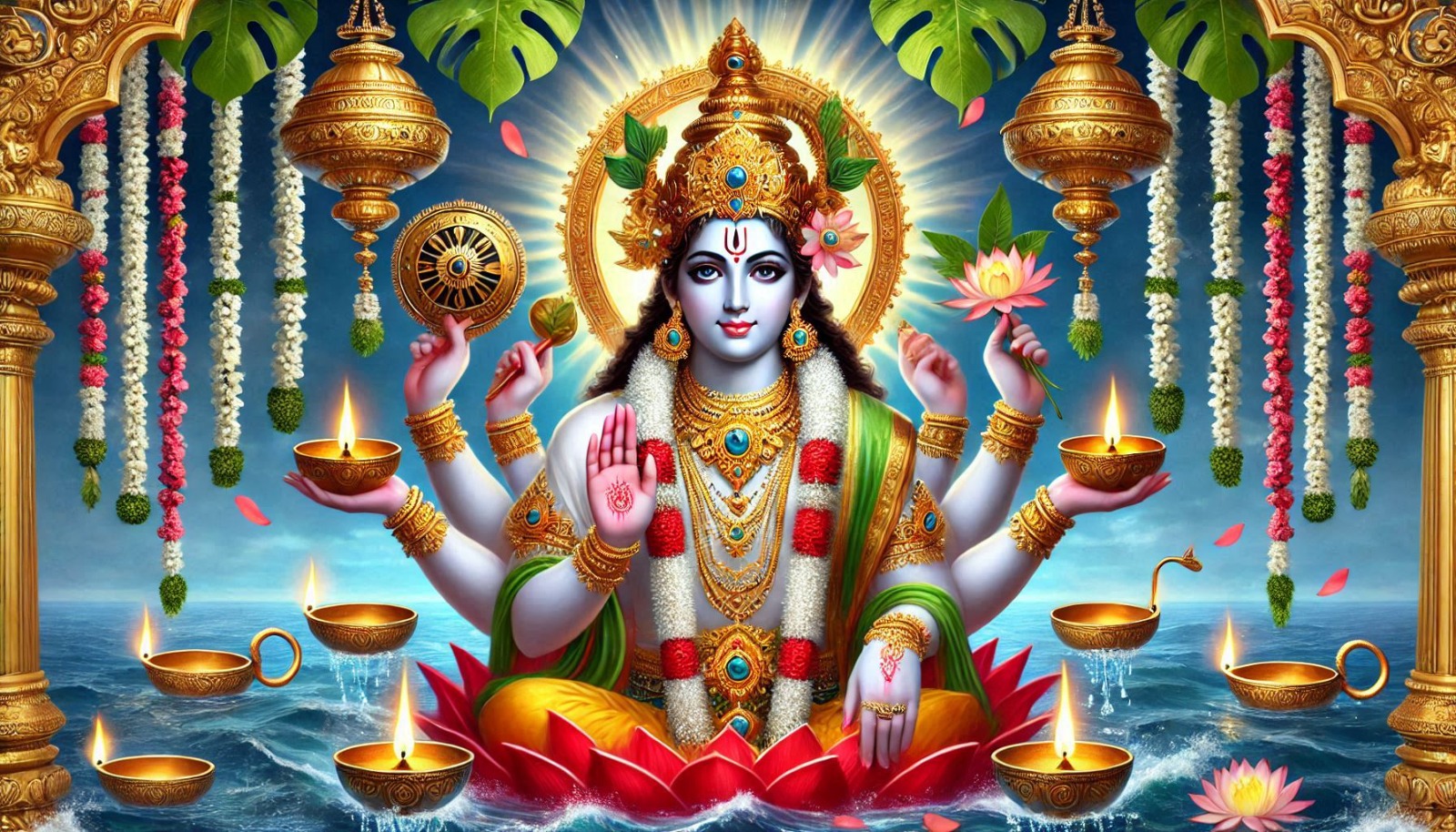
Yogini Ekadashi (Smartha Ekadashi) falls on the Krishna Paksha of Ashadha month and is considered one of the most powerful Ekadashi vrats in the Hindu calendar. In 2026, it falls on Friday, July 10. This puja is dedicated to Bhagwan Narayana and is believed to cleanse past sins, restore health, and remove long standing obstacles from life. Book your Yogini Ekadashi puja with experienced Vedic pandits and receive a full video recording of the ceremony, wherever you live in the world.
- Cleanse Karma, Heal Life: Yogini Ekadashi is known for its power to wash away sins from neglect, attachment, or indulgence. This sacred fast helps purify both body and mind, bringing health, harmony, and peace to one’s life.
- Break Negativity, Seek Moksha: On this day, sincere fasting and prayer help release karmic burdens and clear the path towards moksha. Yogini Ekadashi guides the soul toward liberation through repentance, discipline, and devotion.
- Offer Sevas, Receive Vishnu’s Grace: Be part of sacred sevas like Panchamrut Abhisheka, Tulasi Archana, Alankara, Vishnu Sahasranama Path, Naivedya, and Maha Mangalarti offered to Bhagwan Shriman Narayana with Sridevi and Bhudevi on this powerful Ekadashi.
- Gain Punya Beyond Fasting: Even if you can’t keep a strict fast, offering sevas or chanting Bhagwan’s names on Yogini Ekadashi gives immense punya. Let your heart’s devotion shine and receive protection, peace, and divine blessings.

Vedic Significance

Day of Self-Purification
Yogini Ekadashi helps devotees purify their mind, body, and soul, leading to spiritual upliftment.

Path of Repentance
This sacred day inspires repentance, discipline, and deep devotion, aligning with core Hindu dharma values.

Freedom from Sins
Fasting on Yogini Ekadashi is believed to wash away sins, especially from negligence or indulgence.

Cleanses Body & Energy
It is known for cleansing the body and subtle energy channels, aiding in spiritual and physical well-being.
Sevas we offer for Yogini Ekadashi Narayana Seva
Divine Story, Benefits, and Sacred Sevas of this Auspicious Puja
Yogini Ekadashi is described in the Brahma Vaivarta Purana as a conversation between Bhagwan Krishna and Yudhishthira, the eldest of the Pandavas. When Yudhishthira asked which Ekadashi follows Nirjala Ekadashi in the month of Ashadha, Bhagwan Krishna named this vrat as the most sacred of all fasting days across the three lokas.
The Purana also carries the story of Hemamali, a Yaksha who served as a gardener to Kubera, the treasurer of the Devas. Hemamali would gather flowers from Manasarovar for Kubera's daily worship of Bhagwan Shiva. One day, he became so absorbed in his wife's company that he forgot his duty. Kubera, angered by this negligence, cursed him with a severe skin ailment and separated him from his family. Hemamali wandered in grief until he met Sage Markandeya, who advised him to observe the Yogini Ekadashi vrat with full devotion. By the grace of Bhagwan Vishnu, Hemamali was freed from the curse and restored to his former life.
Because of this story, Yogini Ekadashi is closely associated with healing, forgiveness, and release from suffering caused by past karma. The Padma Purana further states that observing this vrat with sincerity carries merit equal to feeding eighty eight thousand Brahmins, and it is regarded as a fast capable of dissolving both known and unknown sins.
Benefits of Observing Yogini Ekadashi
- Forgiveness of Sins: Observing this Ekadashi sincerely is believed to absolve even the most serious sins.
- Healing and Health: As the story suggests, ailments (especially skin-related) can be alleviated by fasting and prayer.
- Spiritual Growth: Devotees experience increased focus, clarity, and spiritual insight.
- Freedom from Negative Karma: This day helps reduce the karmic burden of actions done out of attachment or negligence.
- Liberation (Moksha): Like all Ekadashis, Yogini Ekadashi supports the path toward ultimate liberation through detachment and devotion.
- Domestic Harmony: It is believed to strengthen relationships and family bonds when observed with a clean heart.
How to Observe Yogini Ekadashi
- Fasting: Strict fasting is observed - either nirjala (without water) or with fruits and milk, depending on one’s capacity.
- Devotion: Chanting Vishnu Sahasranama, reading scriptures, and meditating on Bhagwan Shri MahaVishnu.
- Avoiding Negative Actions: No violence, lies, or sensual indulgence.
- Dwadashi Parana: The fast is broken the next day (Dwadashi) at the appropriate time.
JyotirGamaya will be conducting Vishesha Ekadashi sevas to Bhagwan Shri Mahavishnu along with Sridevi and Bhudevi on the sacred day of Ekadashi, when the divine energies are at their peak.
Detailed Seva Description
Sevakarthas can now book these sacred Ekadashi Sevas online and participate in the divine celebrations from the comfort of their own homes. Witness the LIVE Sevas directly from the Temple, feel the vibrations of the sacred chants, and receive the divine blessings of Bhagwan Shri Mahavishnu, Sridevi, and Bhudevi - no matter where you are in the world.
1. Panchamrut Abhisheka
Ritual bath with five nectars: milk, curd, honey, ghee, and sugar
Significance:
- Symbolizes purification and sanctification of the deity.
- The five nectars represent the five elements (Pancha Mahabhutas), harmonizing the devotee with nature and divinity.
- It is said to cool the body and mind of the deity and of the devotee as well, spiritually aligning their energies.
Benefits:
- Cleanses the karmas of the devotee performing or sponsoring it.
- Bestows health, wealth, and longevity.
- Brings emotional stability and spiritual progress.
- It purifies the heart and mind, making it a perfect start to the Ekadashi rituals.
2. Tulasi Mala Samarpan & Tulasi Archana Seva
Offering a garland of sacred Tulasi leaves and performing archana with Tulasi.
Significance:
- Tulasi is considered the most beloved to Bhagwan Vishnu; she is his consort in divine form.
- Offering Tulasi is equivalent to offering millions of gold coins in spiritual merit.
- Archana with Tulasi multiplies the blessings manifold on Ekadashi.
Benefits:
- Destroys sins and grants punya (spiritual merit).
- Protects from misfortunes, negativity, and health issues.
- Helps in removal of obstacles, both material and spiritual.
- Strengthens devotion (Bhakti Yoga) and purifies the heart chakra.
3. Alankara Seva with Fresh Fragrant Flowers including Tulasi & Lotus
Significance:
- Alankara (decoration) is not just for beauty — it is an expression of love and devotion. Bhagwan Vishnu is said to be “Alankara Priya” (fond of decoration).
- Lotus is the symbol of purity, detachment, and divine birth (Bhagwan Vishnu resides on the lotus of universal consciousness).
- Fresh flowers represent the devotee’s fresh, pure intentions offered to the Lord.
Benefits:
- Pleases the Divine and invites grace into the devotee’s home and heart.
- Brings joy, inner peace, and harmonizes relationships.
- Helps in removal of inner impurities - ego, pride, jealousy, etc.
- Enhances the spiritual atmosphere around the devotee.
4. Maha Mangalarti
Grand aarti performed with deep devotion, usually involving ghee lamps, camphor, and music
Significance:
- Mangalarti means invoking the auspicious presence of the Divine.
- It is the culmination of the worship, symbolizing the Bhagwan showering his blessings back upon the devotees.
- The flame represents divine knowledge, removing darkness (ignorance).
Benefits:
- Fills the devotee with positive energy, removing fears and doubts.
- Invokes the presence of all gods and goddesses, as they are believed to attend a full-hearted aarti.
- Ensures protection and prosperity for the family.
- Deepens the spiritual connection with Vishnu, Sridevi, and Bhudevi in that moment.
5. Vishnu Sahasranama Patan
Recitation of the 1,000 holy names of Shri Vishnu
Significance:
- One of the most powerful spiritual practices in Sanatana Dharma.
- Each name reflects a different divine quality of Bhagwan Vishnu.
- It is said in the Mahabharata that chanting Vishnu Sahasranama is the most effective path to liberation (moksha).
Benefits:
- Destroys sins and past karmas.
- Grants inner peace, mental clarity, and emotional balance.
- Protects from dangers, diseases, and enemies.
- Strengthens the power of the soul (Atma Bal) and promotes spiritual awakening.
- Creates a shield of divine protection around the devotee.
6. Naivedya (Bhog) offering of coconut & fruits
Offering Naivedya or Bhog to Bhagwan Shri Mahavishnu along with Sridevi and Bhudevi, especially on Ekadashi, is an essential and sacred part of seva. Each item offered carries deep symbolic meaning and spiritual benefits. On Ekadashi, grains and heavy food are avoided even for Naivedya, since it's a day of sattvic elevation. Hence, fruits, dry fruits, and coconut are the most appropriate offerings - aligning with both scriptural guidance and energetic purity.
Significance:
- Coconut (Sriphala – the Divine Fruit):Coconut is known as "Shriphala", meaning "fruit of the gods".
- Symbolizes self-surrender — the hard shell (ego) is broken to offer the pure white heart (the soul) to the Lord.
- It represents purity, prosperity, and spiritual awakening.
- In many traditions, coconut is offered before any auspicious beginning and is also placed atop Kalash during Vishnu puja.
- Fruits:Fruits are considered natural sattvic offerings - pure, nourishing, and given in their most natural form.
- They symbolize the fruit of our actions (karma phala) being surrendered to God.
- Fruits represent gratitude and humble acknowledgment of the Bhagwan as the provider of all nourishment.
Generally the below Fruits are offered for Naivedya on Ekadashi:
- Bananas (symbol of humility and fertility)
- Pomegranate (symbol of auspiciousness and prosperity)
- Apple or Pear (symbolic of sweetness and clarity)
- Grapes or Dates (for divine sweetness and long life)
- Dry fruits like almonds, raisins, and cashews (symbolize strength and richness)
Powerful Blessings from Combined Sevas on Ekadashi
When all these sevas are performed together on Ekadashi to Bhagwan Vishnu along with Sridevi and Bhudevi:
- Body gets purified through fasting and Abhisheka.
- Mind gets stabilized through Tulasi offerings and Sahasranama.
- Heart gets elevated through Alankara and Aarti.
- Soul aligns with divine through devotion and surrender.
Why attend puja online with us?
In the spiritual realm, physical boundaries hold no power, ensuring a connection between you and the divine.

Live Ritual Viewing
Experience the spiritual essence from the comfort of your home by tuning into live streams of the rituals performed by experienced priests.

Recorded Ceremony Video
If you miss the live event, a recorded video will be provided, allowing you to watch the sacred rituals at your convenience.

Free Prasad Delivery
Receive blessed prasad delivered directly to your home, ensuring you remain connected to the divine blessings.

Convenience
Participate in the rituals remotely without the need to visit the temple.

Spiritual Connection
Stay spiritually connected through live and recorded rituals, with blessings brought to you through prasad delivery.
How to book Yogini Ekadashi Narayana Seva puja
1
Choose your seva
Select one or more main rituals as per your spiritual need.

2
Choose offerings
Add optional offerings to deepen your spiritual experience.

3
Complete your booking
Confirm securely so all selected rituals and offerings are included.
Click Here To Book Puja
FREQUENTLY ASKED QUESTIONS
Q. When is Yogini Ekadashi in 2026?
Yogini Ekadashi falls on Friday, July 10, 2026. The Ekadashi tithi begins on the morning of July 10 and continues until early morning on July 11.
Q. What is the significance of Yogini Ekadashi?
Yogini Ekadashi is dedicated to Bhagwan Vishnu and is described in the Brahma Vaivarta Purana as the most sacred fasting day in the month of Ashadha. It is believed to remove sins and cure physical suffering, especially skin related ailments.
Q. Why is Yogini Ekadashi considered so powerful?
According to the Purana, Bhagwan Krishna told Yudhishthira that this Ekadashi carries the combined merit of many holy deeds, including feeding eighty eight thousand Brahmins, making it one of the most rewarding vrats of the year.
Q. What is the story of Hemamali connected to Yogini Ekadashi?
Hemamali was a gardener cursed with a skin ailment for neglecting his duties. On the advice of Sage Markandeya, he observed Yogini Ekadashi with devotion and was freed from his suffering by the grace of Bhagwan Vishnu.
Q. What can be eaten on Yogini Ekadashi?
Devotees who are not observing a nirjala fast may consume fruits, milk, curd, and dry fruits. Rice, grains, lentils, onion, and garlic are avoided as they are considered unsuitable for this vrat.
Q. What is the parana time for Yogini Ekadashi 2026?
The parana, or fast breaking time, generally falls in the afternoon of July 11, 2026. Exact timings vary slightly by location, so devotees are advised to check local sunrise timings.
Q. Can I book Yogini Ekadashi puja online if I live outside India?
Yes. Jyotirgamaya conducts Yogini Ekadashi puja for NRI devotees across the USA, UK, Canada, UAE, and Australia. Sankalpa is taken in your name and a full video recording is shared with you afterward.
Q. Is Yogini Ekadashi good for health related problems?
Yes. This Ekadashi is traditionally associated with healing, particularly for skin conditions and long standing ailments, based on the story of Hemamali in the Padma Purana.
Q. Which Bhagwan is worshipped on Yogini Ekadashi?
Bhagwan Vishnu, in his form as Bhagwan Narayana, is worshipped on this day through puja, fasting, and recitation of the Vishnu Sahasranama.
Q. Do I need to fast strictly to receive the benefit of this puja?
While fasting increases the merit of the vrat, devotees who cannot fast due to health reasons can still participate through puja, prayer, and charity, and receive spiritual benefit.
Begin Your Online Spiritual journey with us, and experience the serenity of divine blessings, wherever you are.
Please note: The temple mentioned above may change based on certain on-ground dynamics. However, please be assured that the puja will definitely be conducted in an appropriate temple without any compromise.
Upcoming dates for Same Puja
30 June 2027
18 June 2028
7 July 2029